The making of "Resident Evil: Extinction."
This feature-length documentary takes a look at one of the most successful film franchises of all time as it goes behind the scenes of John Carpenter’s Halloween, the frightfest that redefined the horror genre in the late 1970s.
1964 was the year the Beatles came to America, Cassius Clay became Muhammad Ali, and three civil rights workers were murdered in Mississippi. It was the year when Berkeley students rose up in protest, African Americans fought back against injustice in Harlem, and Barry Goldwater’s conservative revolution took over the Republican Party. In myriad ways, 1964 was the year when Americans faced choices: between the liberalism of Lyndon Johnson or Barry Goldwater’s grassroots conservatism, between support for the civil rights movement or opposition to it, between an embrace of the emerging counterculture or a defense of traditional values.
Insults, humiliation, violence, sexual assault - the world behind the camera and the scenes can be a nightmare for many theater and film professionals. Apparently there is a real climate of fear in some film and theater productions. Some directors, but also well-known actors, apparently abuse their power and treat those around them on set or on stage with contempt or even abuse. Individual cases have been known for years, including under #metoo. But are they really isolated cases? Or can directors and actors allow themselves anything because the system allows it? In their three-year research, the documentary filmmakers spoke to more than 200 film and theater professionals about the problems in their industry. How much responsibility do the alleged perpetrators bear for abuse of power and how much responsibility does the financiers, production companies, broadcasters and also the audience bear?
Made for Italian national television, Ellis Donda’s Il Corpo Rubato (The Stolen Body) is an experimental documentary on psychoanalisis in 70s/80s Italy, its analytical practices and forms of suggestion.
Famous actors and ordinary people from all walks of life read stories from a book describing the 900-day siege of Leningrad during World War II.
A woman working in the B movie industry begins examining the industry and the damaged, desperate people who work in it.
Intimate portrait of the social outcast Ricardo Lopez, chronicling the last days of his life in 1996 as he creates and sends a letter bomb rigged with sulfuric acid to Icelandic singer Björk and heads home to record his own suicide on video.
Emerging from rural Ireland, Edna O’Brien broke multiple taboos with her sexually provocative literature and equally adventurous love life. Here, she opens up about her past with additional perspectives offered by Gabriel Byrne, Walter Mosely, and others.
When David Lean made his film Doctor Zhivago (1965), he realized that it would be impossible to do location shooting in Moscow. Instead, he found a location on the plains outside Madrid, Spain and built a set to look like the Russian capital. This promotional film gives viewers a short look at the set under construction.
1965: Paris, London and Milan all move at the same fast pace, fueled by a fresh creative and rebellious impetus. Guido Crepax picks up on this energy and transfers it to a comic strip in which art, music, design, film and fashion all blend together, breaking with traditional narrative structure. The dreamy photographer Valentina becomes Crepax' alter ego: as lovely as Louise Brooks, as disturbing as one of Lucio Fontana's slashed canvases, as knowing as Bob Dylan's lyrics, and as freewheeling as Charlie Parker's compositions.
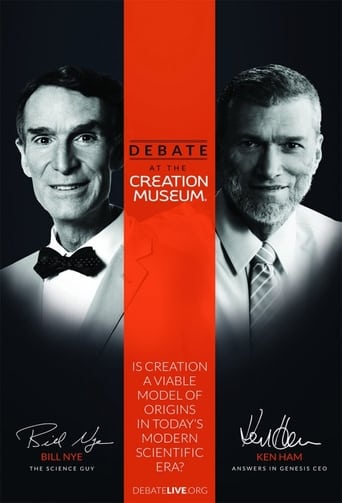
Bill Nye and Ken Ham debate whether creation is a viable model of origins in today's modern scientific era.
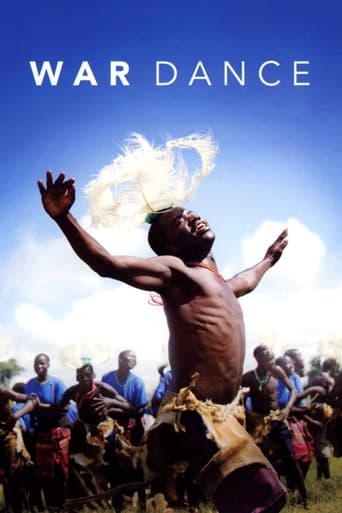
Three children living in a displacement camp in northern Uganda compete in their country's national music and dance festival.
While the ski racers leave Kitzbühel for the next World Cup location, the members of the Kitzbüheler Ski Club (KSC) are already starting preparations for next year’s race. “Streif – One Hell of a Ride” documents this work – both the spectacular and the small tasks – over the course of one year. At the same time, the film follows five athletes – Aksel Lund Svindal, Max Franz, Hannes Reichelt, Erik Guay and Yuri Danilochkin – in their respective native countries, during their summer training and in their free time. As the 2014 Hahnenkamm Race approaches, these two narratives become more and more interwoven, interspersed with stories from the event’s past – until the athletes arrive back in Kitzbühel.
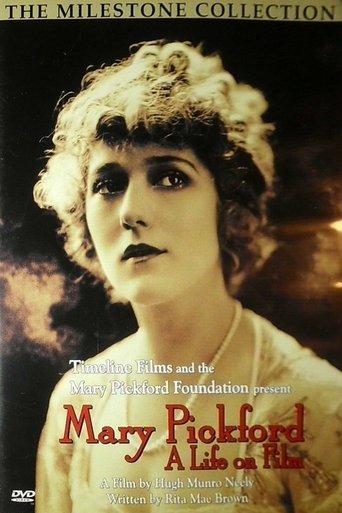
Arguably the quintessential film siren of the silent era, Mary Pickford was known as "America's Sweetheart." This documentary explores Pickford's life beyond the screen, as a writer, producer, director and keen businesswoman who co-founded United Artists. Narrated by Whoopi Goldberg and featuring clips of Pickford's movies, the film offers insight from historians, film critics (including Leonard Maltin) and silver-screen stars such as Janet Leigh and Roddy McDowall.
In this documentary, we follow Stanley Kubrick as he creates one of the most controversial films of all time, one that retains its power to shock audiences, even after 35 years. At the time of its release, A Clockwork Orange created a firestorm of controversy. Through interviews with collaborators, filmmakers, screenwriters and authors, we come to appreciate Stanley Kubrick as an artist unafraid to take risks and court controversy, committed unwaveringly to his single-minded goal: the highest artistic quality of his films.
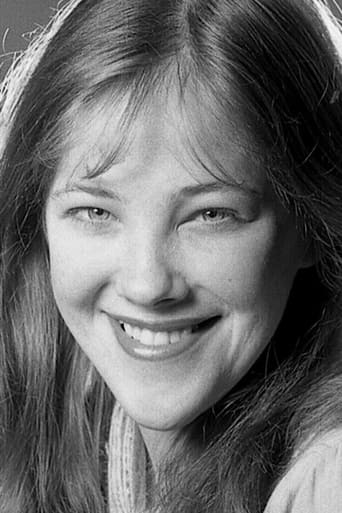
From "SCTV" and "Home Alone" to "Best in Show" and "Schitt’s Creek", Catherine O’Hara collaborates with fellow performers throughout her legendary career to take comedy to new heights.
Documentary commemorating the 50th anniversary of Martin Luther King's March on Washington, a pivotal moment in the Civil Rights Movement in the United States. The film tells the story of how the march for jobs and freedom began, speaking to the people who organised and participated in it. Using rarely seen archive footage the film reveals the background stories surrounding the build up to the march as well as the fierce opposition it faced from the JFK administration, J Edgar Hoover's FBI and widespread claims that it would incite racial violence, chaos and disturbance. The film follows the unfolding drama as the march reaches its ultimate triumphs, gaining acceptance from the state, successfully raising funds and in the end, organised and executed peacefully.
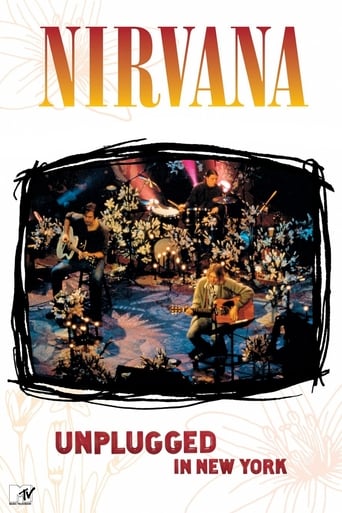
A live album by American rock band Nirvana, the album features an acoustic performance recorded at Sony Music Studios in New York City on 18 November 1993, for the television series MTV Unplugged.
Director Alfonso Cuarón reflects on the childhood memories, period details and creative choices that shaped his Academy Award-winning film 'ROMA.'
Activate your FREE Account!
You must create an account to continue watching