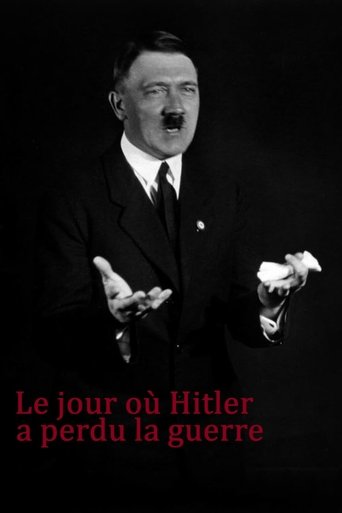
History tells us that Hitler died on April 30th 1945 by committing suicide with a single gunshot to the head; but what if history is wrong? Based on interviews with eye witnesses and years of dedicated research, this film dramatisation explores the possibility that Hitler didn't die in Germany at the end of the war, but instead escaped from Berlin by air and made his way to Argentina. This is the gripping story of what might have happened; the CIA s possible involvement, his life in Patagonia, the escape routes and the astonishing fact that Hitler may have had two daughters.
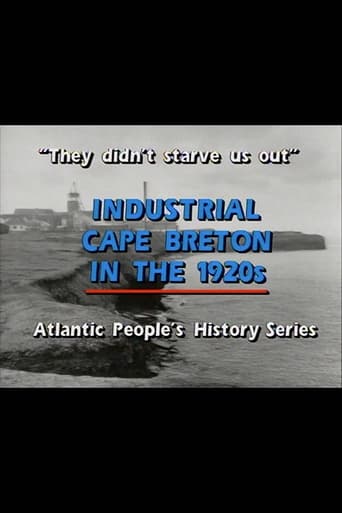
For 200 years, coal mining had been a way of life in Cape Breton. By 1920 things were looking up: miners were unionized and paid decent wages. Then the British Empire Steel Corporation arrived and bought every single steel and coal company in Nova Scotia. BESCO cut wages by a third, setting off a bitter labour dispute. The miners settled in for a long strike. Finally, in 1925, the military ended the unrest with brute force. But the miners, in one sense, had won. They broke up the monopoly and provided an example to workers across the country.
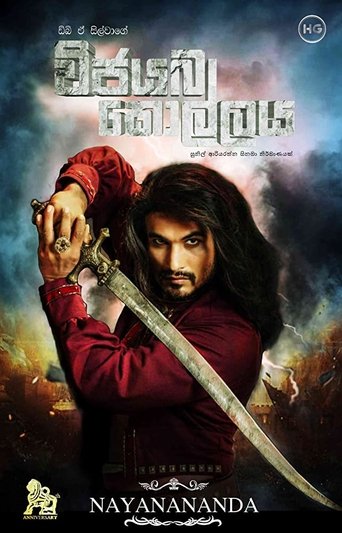
In the 16th century Kingdom of Kotte, a young woman falls in love with a spy despite her engagement to a soldier.
In the interior of Rio Grande do Sul, a group of bandits is dedicated to stealing the profitable cattle of local residents. But local gaucho police known as "The Wide Brim", due to the recognizable large-brimmed hat, will not allow the gang to go unpunished.
A story of transformation and hope in a time of turmoil and terror
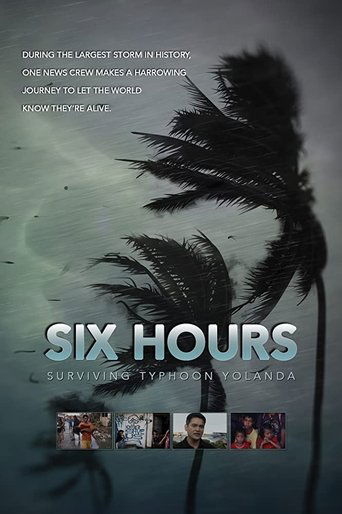
In the middle of a broadcast about Typhoon Yolanda's initial impact, reporter Jiggy Manicad was faced with the reality that he no longer had communication with his station. They were, for all intents and purposes, stranded in Tacloban. With little option, and his crew started the six hour walk to Alto, where the closest broadcast antenna was to be found. Letting the world know what was happening to was a priority, but they were driven by the need to let their families and friends know they were all still alive. Along the way, they encountered residents and victims of the massive typhoon, and with each step it became increasingly clear just how devastating this storm was. This was a storm that was going to change lives.
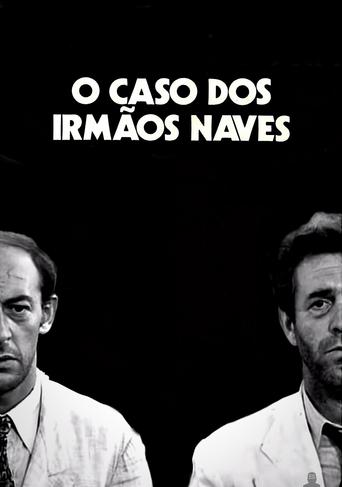
After their relative and associate runs way, the Naves brothers inform the police of the incident, who end up arresting them under the accusation of murdering the missing person. The brothers are tortured in order to confess a crime they did not commit while their wives are raped.
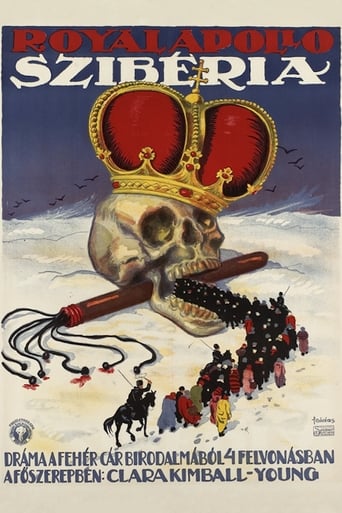
In Czarist Russia, attractive Anna Ivanovna has consecrated her life to work among Russia's persecuted poor. She dispenses food, medicine, and funds to the needy, from a busy charity headquarters. Two men, separate in station, are in love with Ivanovna: Poor doctor Paul helps as much as he can, and wealthy merchant Serge donates money. The relentless and lascivious Chief of Police, also attracted by Ivanova's beauty and virtue, determines to possess her, and sentences all three to fifteen years in Siberia and East Russia on false charges.
Jan and Maria become a couple in 1930s Kraków. Jan tries to get a job as an architect but fails. They struggle with poverty and extreme humiliation. Their attempt to survive leads to a desperate crime.
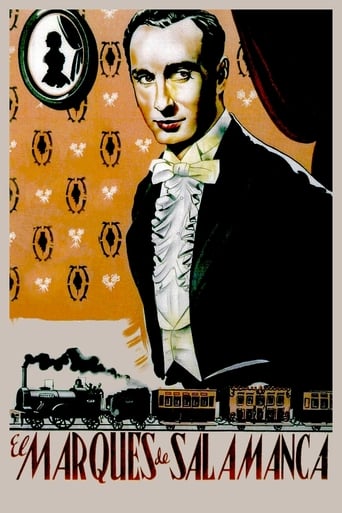
José de Salamanca was arguably one of the most influential figures of the Spanish 1800s. This films tells his story.
In Vienna 1820, the Manto Mavrogenous encounters a group of Greek students and talk of revolution to be made. Returning to Greece uncle of the initiates at Friendly Society. Madonna sells its dowry and equip their ships and army to help the revolution. Meet the founder of the Friendly Society, Dimitrios Ypsilanti, and builds relationships with him but encounters the objections of the political leaders of the struggle and particularly of Ioannis Kolettis who fears the two young people like to be the first king of the new nation. To break up the uses of beautiful paintings Niki monk who just came from Paris.
More than two decades after it left our screens, BBC Two’s iconic and much-loved music documentary series, Rock Family Trees, is back for a one-off special. The iconic music documentary series returns to examine the real story behind the birth of Britpop and how a handful of like-minded musicians, struggling to find an authentic voice, would pave the way for a revolution in British music. It is an intricately connected story of three of the biggest bands of the 1990s – Suede, Elastica and Blur – and how, for a brief moment in the middle of that decade, they changed British music forever, kickstarting a movement that still reverberates to this day.
A documentary presenting people and events connected with the most important political developments from the student uprising at the Athens Polytechnic in 1973 until the first year of democratic rule after the dictatorship collapsed in 1974.
The historical background to the story is the transfer of 269 executed women to the Berlin Anatomy Department in the years 1939-1945. The corpses were misused for experimental purposes.
The story, set in the 19th century, revolves around the hot-blooded Jussi, a young farmer, and his friend Antti and their brushes with the local nimismies (sheriff) and the häjyt (badmen). The film, shot on location on the plains of Ostrobothnia, conveys a good sense of its unique landscape. Both Järviluoma and the director, Jalmari Lahdensuo were from Ostrobothnia and the film successfully expresses a feeling of the true spirit of the province.
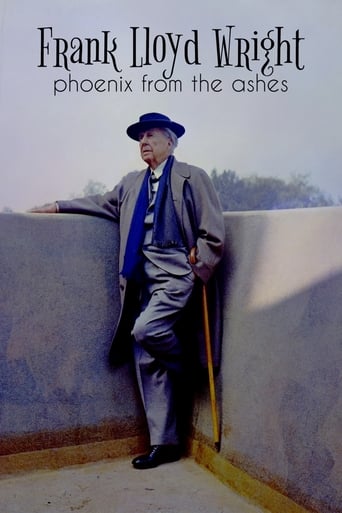
A portrait of Frank Lloyd Wright (1867-1959), a genius of modern architecture, whose life passed between glory, scandal and tragedy.
The story is set in 1962, the time of Sino-India war. It revolves around a widowed teacher named Ritu who is transferred to Koronga, a small Assamese village. The school here was destroyed by fire ten years earlier. Ritu takes on the challenge of rebuilding the school and starts campaigning among the villagers.
Activate your FREE Account!
You must create an account to continue watching