YOU ARE LOOKING LIVE! reflects on the origins of THE NFL TODAY’s half-century of studio coverage, featuring interviews with the only surviving early cast members Brent Musburger and Jayne Kennedy, as well as current TV personalities including Jim Nantz, Nate Burleson and Gayle King. Featuring a virtual re-creation of the iconic NFL TODAY set from 1985 and never-before-seen archival footage, YOU ARE LOOKING LIVE! uses innovative technology to take viewers back in time. Debuting in 1975 and hosted by Musburger with Phyllis George and Irv Cross – and eventually Jimmy “the Greek” Snyder and Kennedy, THE NFL TODAY was the first live studio show that took viewers across the entire country, previewing and highlighting every game in the NFL. It was also the most diverse show of its time as the first studio show with a Black cast member and a female cast member. THE NFL TODAY quickly became the prototype for which modern studio shows are based.
Guitry reprises his role as Pasteur which he played successfully at the Vaudeville Theatre in 1919.
This Punjabi Movie, Dukh Bhanjan Tera Naam is a Punjabi movie about Sikhism. It was a great success. It portrays the people's belief in the almighty god who is one and how life teaches a lesson to those who does not believe so.
Stars above follows the stories of three women from the same family across three different decades. The main characters – Saima, Tuulikki and Salla – each lives in the same country house. Saima´s story takes place in the war time 1942, when Finland fought against Soviet Union, Tuulikki´s story in colourful year 1978 and Salla´s story in the present day. Each woman is between 30 and 40. This deep and beautiful, yet humorous film pictures the encounters between people and the possibilities for choice. How much does the time we live in affect us - and our ability to hold on to our dreams? What are those things which we pass on from one generation to the next? What changes, what remains the same? And to what extent do mothers´ choices, let alone their unspoken secrets, affect their daughters´ lives?
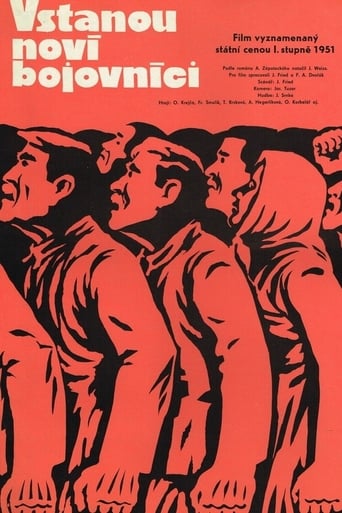
The leader of the emerging organized labor movement in the 1880s, Ladislav Zápotocký-Budečský, is exiled to his native village, where he works as a tailor and continues to raise social awareness among members of the working class.
In 1960, the announcement of social regression measures decided by the Belgian government triggered a wildcat strike by workers. Albert and Fred were at the forefront of a struggle that promised to be heated and risky. The great Walloon strike shook Belgium to its core. Violence, demonstrations, internationalists, red flags, Walloon flags. For five weeks, the country was paralyzed by a movement that often took on the air of an insurrection.
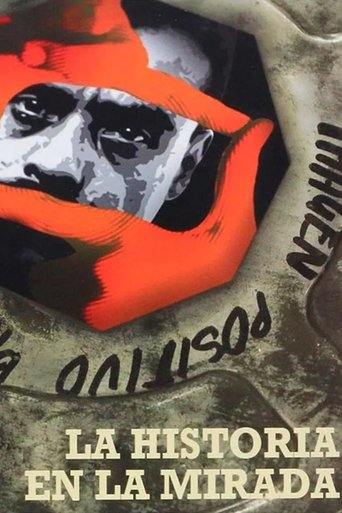
The film portraits the stage previous to the outbreak of the Mexican Revolution, from the end of Porfirio Díaz´ government, the social volatility, the ephemeral government of Madero and the presence of the working class in the figures of Villa and Zapata, until the signing if the Constitution of 1917. All of this through moving images, filmed during those events mainly by the Alva brothers, filmmakers of that time. Those images let us perceive the contradictory and shuddered glance of the people of that period.
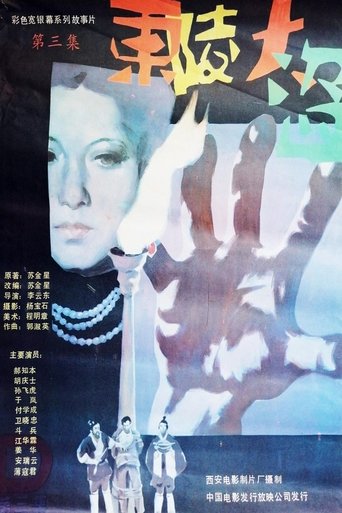
The story revolves around the mysterious disappearance of the Eastern Tombs' treasures, drawing in high-ranking military and political figures like Chiang Kai-shek and Yan Xishan. As they scramble to resolve the situation, a web of intrigue unfolds involving tomb raiders, corrupt officials, and conflicting allegiances. At the center of the action is Na Xinting, who finds himself entangled with a group of masked Daoists, romance, and betrayal, all while he tries to uncover the truth behind the missing treasure.
In Czechoslovakia, between 1946 and 1971, the characters of two very different fairy tales interacted and enriched each other: on the one hand, the filmmakers of the Czechoslovak New Wave who, through poetic, committed and ambitious cinema, fought against the Soviet yoke with subtle irony; and, on the other, the writer Jan Procházka, who in 1968 added his voice to the popular outcry of the Prague Spring.
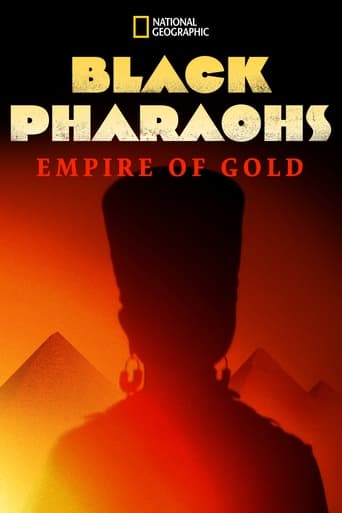
It's a land of pyramids, gold, and ancient treasure, but it's not Egypt. It's present-day Sudan, once home to the glorious kingdom of Kush. Now, archaeologists are using every means possible - from robots to rock climbers - in their search for clues about this long-neglected culture. Once the Kushites filled the pharaohs' coffers with gold and, for a time, they even ruled over all of Egypt, but only now is their real story beginning to emerge.
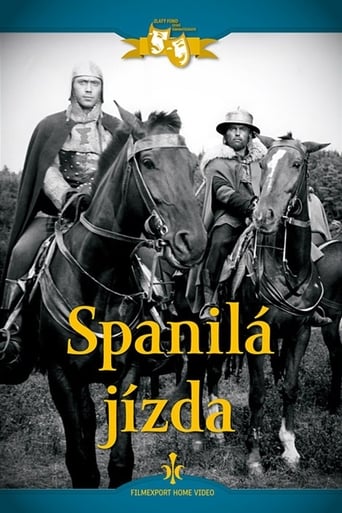
In the Hussite times, religious truth was sifted even on the tips of weapons. When in 1430 the Hussites set out on a raid to Nuremberg, the so-called Spanila Cavalry, to defend their doctrine, the young commander of the cavalry, the landowner Keřský, whose bride had once been kidnapped by a vicious crusader, saw it as an opportunity for personal revenge. Although Oldřich Daněk has tried to establish a distinctive interpretation of historical events, he reflects on where the blinded desire to punish a bad deed with further cruelty leads, but his version seems too thesis-like and lifeless, it does not rise above the descriptively illustrated scenes from old Czech chronicles...
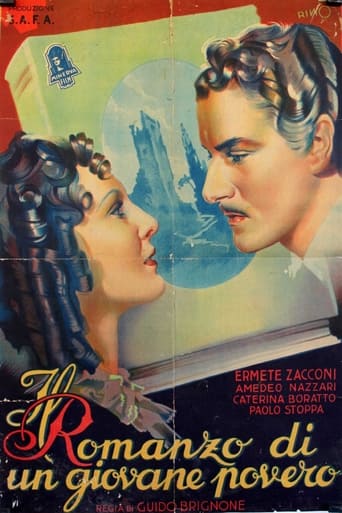
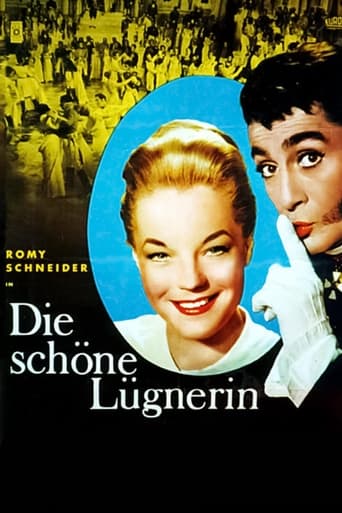
In 1815 Vienna, a corsetmaker falls in love with a valet.
The life and highlights of Marshal Cândido Rondon.
An analysis of The Magic Mountain, a novel by the German writer Thomas Mann (1875-1955), published in November 1924.
Green was the symbol of recognition among the supporters of Iranian presidential candidate Mir-Hossein Mousavi. This documentary-collage illustrates with animated blogs and tweets the story of democracy under fire and the dramatic events before and after the 2009 presidential elections in Iran.
This excellent and breathtaking documentary is the result of a long study on the Gulag to try to understand why more than 60 million Soviet citizens were sent to the camps from 1918 to 1956, how such a massive confinement could take place during two generations. From the Solovki in the north-west to the Kolima in Siberia, from Lenine to Kroutchev, a polar geography is erected into the Gulag system. One does not escape from camps. After ten years of imprisonment, one dies. Some survived, some left traces; they witness: organisation, work and discipline, but also resistance, repression and revolt.
Docu-drama about Croatia's first President, Franjo Tudjman.
Activate your FREE Account!
You must create an account to continue watching