Functions without theaters, murals without walls, clothes without fabrics and students without schools says the necessary about the state abandonment and but also talent and creativity of Colombians, which it has nothing to lose. The documentary tells the story of the beginnings and resilience of several artist from Barranquilla in different disciplines in continuing to maintain and diversify the living culture, that remain to exist.
Marta Estevan is ready to leave the convent where she has been reared. Dona Luisa Artega, mother of Rafael and the young girl's guardian, arranges a marriage between the two, because she thinks that Marta's influence will rescue her son from the wild life he is leading and make a man of him. Marta rescues the American Bryton, when he is attacked by Indians, and falls in love with him.
The twenties. Hungry and impoverished country. Lenin signs a decree on the protection of breeding livestock. Nevertheless, Ivanov's experiments become known not only to the country of the Soviets, but also to enemies working for American farmers. The Chekists become involved in Ivanov's research.
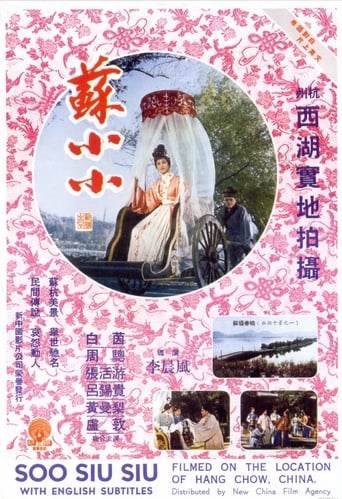
The film opens with a travelogue, showcasing West Lake and the real Mainland Chinese locations used by the film to which only the Left Wing of Hong Kong Cinema had access to at the time. The title character is a young woman raised by her courtesan aunt in the West Lake scenic resort area in Hangzhou. Siu Siu is perused by a local Official, but falls in love with the son of the Prime Minister. They marry, but are separated by the Prime Minister who arranges another marriage for the son. Siu Siu remains at West Lake, where she regretfully uses the desire of the earlier Official to help another of the girls find happiness.
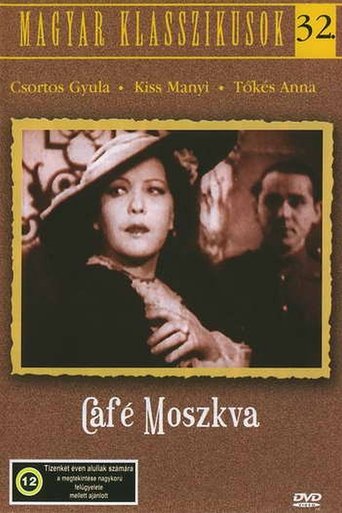
About a man's disappointment in love, and this provides the foundation for the upcoming trial of a much more significant love. The scene of the fatal meeting, the bar, which is a kind of world-model, and its environment: a fort under siege, from where it's almost impossible to escape...
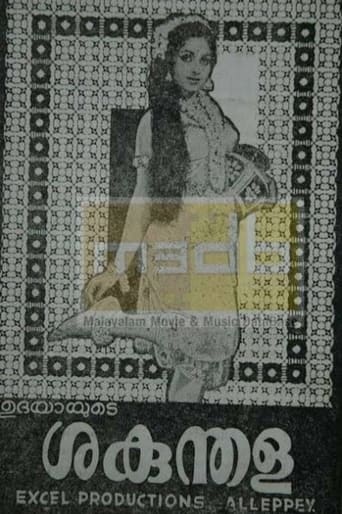
The film is adapted from the 1961 Bollywood film Stree.
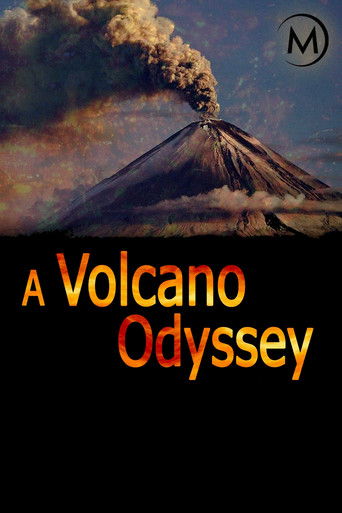
The epic story of the life of a volcano, capable of both causing the extinction of all things and helping the evolution of species, over 60 million years.
Young Moldovan nobles try to overthrow King Mihail Sturdza. They plot an assassination and spread flyers. On this backdrop, there is a romance story between Franz Liszt, in tournament, and one of the noblemen's daughter, who is close to the plotters.
Mary Beard is on a mission to uncover the real Julius Caesar, and to challenge public perception, exploring Caesar's surprising legacy.
A film based on the story of the Tyrolean innkeeper and patriot Andreas Hofer who led an Austrian uprising against Bavarian and French troops during the Napoleonic Wars.
Between 1944 and 1953, 170,000 Estonians, Latvians, and Lithuanians put up fierce resistance to the Soviet invasion, hiding deep in the vast Baltic forests. Driven by a dream of freedom, they defied a ruthless empire with few resources but unwavering determination. Through previously unseen archives and the poignant accounts of the last survivors, this documentary reveals their clandestine struggle, their heroic sacrifices, and their legacy, timeless symbols of a desperate fight to escape the Soviet stranglehold and preserve the flame of independence.
Raised in the small all-Black Florida town of Eatonville, Zora Neale Hurston studied at Howard University before arriving in New York in 1925. She would soon become a key figure of the Harlem Renaissance, best remembered for her novel, Their Eyes Were Watching God. But even as she gained renown in the Harlem literary circles, Hurston was also discovering anthropology at Barnard College with the renowned Franz Boas. She would make several trips to the American South and the Caribbean, documenting the lives of rural Black people and collecting their stories. She studied her own people, an unusual practice at the time, and during her lifetime became known as the foremost authority on Black folklore.
About the first national hero, Khadjarat Kyakhba.
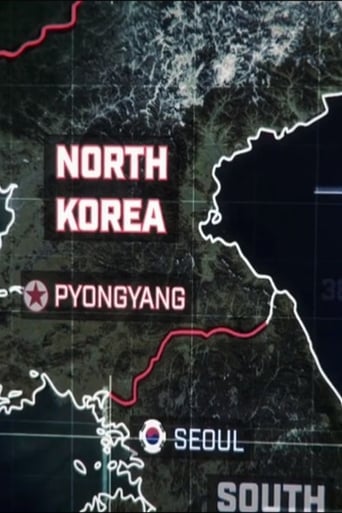
This two-hour special reveals the complicated history, extreme politic, and rigid societal standards that have created a legacy of internal oppression and external aggression. As the North Korean people suffered famine, labor camp and public executions, the Kim regime spent three generations relentlessly pursuing nuclear ambitions. They operate as a criminal syndicate, using counterfeit money, drugs and cyber espionage to fund their war machine. Now, with weapons rivaling the world’s superpowers, their aggressive rhetoric has pushed the world to a crisis point.
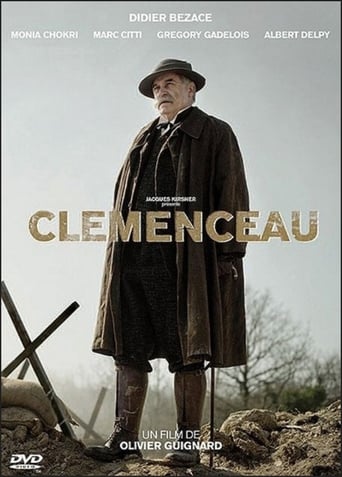
1917, German troups are moving forward to Paris, the French government calls a providential man : Clémenceau.
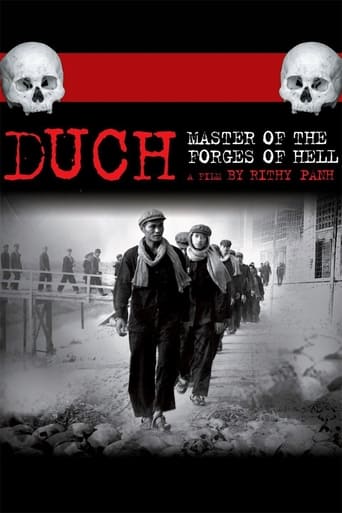
Under the Khmer Rouge regime, Kaing Guek Eav, known as Duch, directed the M13 prison for four years, before becoming the head of S21, the terrifying death machine that eliminated Khmer Rouge opponents. Some 12,280 Cambodians met their deaths here. In July 2010, Duch was the first Khmer leader to appear before an international court, which sentenced him to 35 years in prison. He appealed the sentence. While Duch waited for his new trial, Rithy Panh questioned him in depth.
Activate your FREE Account!
You must create an account to continue watching