1860 ushers in the era of iron ships, Richard Sibley, a builder of wooden ships, stubbornly resists the change, which leads him to forbid the marriage of his daughter Rose to John Rhead, a proponent of the new method. This injustice outrages John's sister Gertrude so much that she breaks off her engagement to Sibley's son Sam. Meanwhile, John and Rose elope.
Based on the book by Ilias Venezis "The Number 31328", the film by Nikos Koundouros unfolds through the personal tragedies of three characters, the Asia Minor Disaster and the agonizing travails of the Asia Minor Greeks who had been arrested and led to death by Kemal's troops and armed groups of Muslims. The wife of a merchant, a teacher and a seventeen-year old boy try to survive, following the column of prisoners into the depths of Asia Minor.
It focuses on the last ten years of life of the hero, creator of the Argentine flag. In 1810, Manuel Belgrano believes that it is possible to replace the royal authority - that of Fernando VII prisoner of the Napoleonic troops - with the community of virtuous men who, identified with the Homeland, fluently interpret the People.
Postwar Japan as it is described by Etsuko, the manager of a bar catering to foreigners in Yokosuka. The way of life of a woman brimming with vitality, who skipped the countryside right after the war and, with her womanhood as a weapon, lived through atomic bombings, black markets, prostitution aimed at American soldiers and the Korean War. Inserting newsreels, Shohei Imamura depicts the history of twenty-five years in the Japanese postwar by way of the female body. (doclisboa)
A biography about the iconic singer and composer Sayed Darwish, from his childhood in Alexandria until his sudden death on the day Saad Zaghloul returned from exile, reviewing the important milestones in his life and his most famous tunes and songs.
As a general, he had fought to preserve the Union. As president, he helped to oversee the transformation from union to nation. As a former president, he was the embodiment of the very idea of national union, and of America's entry onto the world stage. As a dying general, he was the symbol of the nation's greatest and most traumatic war. The story of Ulysses S. Grant's life, from his first days on the Ohio frontier to his last days out-writing death in the Adirondacks, is an endlessly fascinating one. Few public figures have ever held a such a firm grip on the American popular imagination. Grant was a man whose rise from obscurity made him a hero to millions who could see themselves in him. An ordinary man who faced and met extraordinary challenges, his successes and failures seemed to encapsulate the national character. He was so popular with the American public that, despite his two scandal-ridden terms as president, he was nearly nominated to run for a third term.
Set at the backdrop of the colonization of pre-Hispanic Philippine, this historical epic revovles around the story of Ramir, a half-caste warrior falls in love with Princess Mahalina. Ramir has to reckon with another brave native, Kiram.
In 1961, father and son travel to Porto Alegre. Their severance leads both to unknown realities.
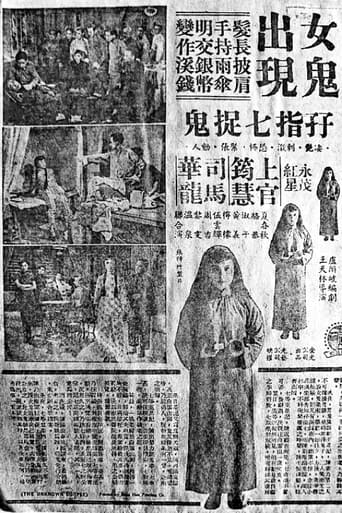
HK historical drama.
On the eighth of April of King Gyoeng-deok's 10th year of the reign of the Unified Silla Period, Guseulagi, a daughter of Yu Jong, joins the king's parade to Bulguksa Temple, where she meets a stonemason named Asadal from Buyeo. Having a crush on him, she visits Sakyamuni Pagoda, a masonic site; only to find that Asadal had broken down from exhaustion. While she takes care of him, her love for him grows. But Asadal misses his wife who is waiting for him in Buyeo. Meanwhile, Geum Seong who has a crush on Guseulagi, asks his father, Geum Ji, to propose on behalf of him. But Yu Jong is so dissatisfied with Geum Ji because he is a treacherous subject, that he turns down the proposal, instead of hurrying up his daughter's marriage with Gyeongsin, a faithful subject. Asanyeo who has been waiting for her husband Asadal in Buyeo goes to Bulguksa Temple after her father-in-law had died.
A comedy about the love of the Czech nobleman Záviš of Falkenštejn for the Hungarian princess Kunhuta, who later married Přemysl Otakar II and became the Czech queen.
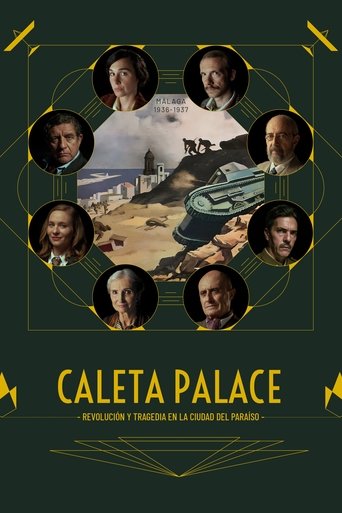
Eight foreign characters recall their exploits and fears in Malaga, a paradise city that starts a revolution on July 18th 1936, as the military coup is stopped by popular rebellion, until February 9th 1937, when Mussolini troops take Malaga and put it under the rule of Franco. Seven months that shape the stark tale of a besieged city, the first capital to be conquered in Spanish Civil War and a prelude of WW2.
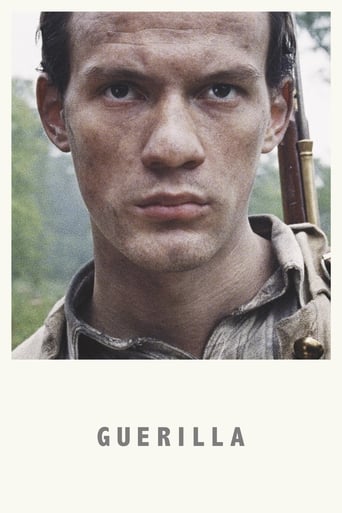
In 1849, the liberation war against the Habsburg Empire is close to its end in Hungary. Having hidden from military draft, Barnabás leaves his hometown and walks across the country to find and save his wounded brother who has been hiding with a guerilla group deep in the forest. Despite their exhaustion, lack of food or information, they are still fighting for their cause. Barnabás finds his brother alienated and distrustful. The tension between the boys further increases when they turn out to be attracted to the same nurse in the camp. Hoping he can earn his brother's trust and take him home, Barnabás decides to stay and lie about his past. In the meantime, he has to face the cruelty of war.
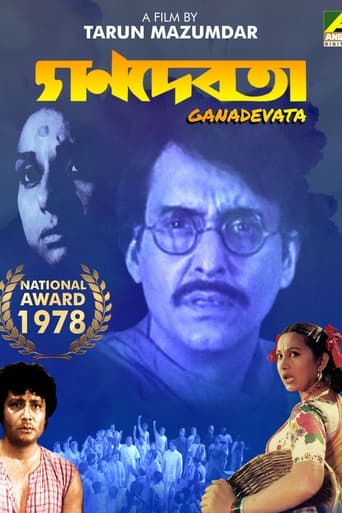
Set in 1920's during the British Raj, the film is about the breakdown of socio-economic structures, impact of industrialization and non-cooperation movement in rural Bengal.
The tragic story of the many lives of Father Dinis, his dark origins and his pious works, and the different fates of all those who, trapped in a sinister web of love, hate and crime, cross paths with him through years of adventure.
The movie is based on a popular tale from the Basque Country and tells the story of a woman that becomes a widow the same day she gets married, and decides to keep living with the husband's dead body for 6 years.
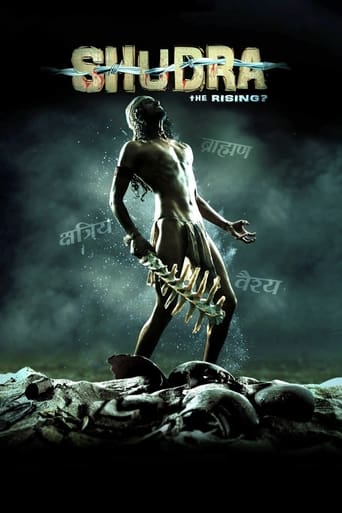
Shudra: The Rising is a Hindi language film with a storyline based on the caste system in ancient India, and more specifically the Hindu Varna system. It is directed by Sanjiv Jaiswal and dedicated to Bhim Rao Ambedkar. The film depicts the four basic units of the caste system - the Brahmins, Kshatriyas, Vaishyas and the Shudras. The film shows various rules imposed on the Shudras such as waking with a bell around their ankles and a long leaf behind their back,and a pot hanging around their neck.
Filmed on the great Mackenzie River, this short fiction film recreates the amazing voyage of the man who gave his name to it. Following the path outlined in Mackenzie's journal, the film depicts his arduous journey by canoe all the way to the salt water of the Arctic Ocean - one of the great epics of northern exploration.
Activate your FREE Account!
You must create an account to continue watching