In 1940 twenty Canadian Beavers were brought to 'Tierra del Fuego' island in southern Patagonia for commercial fur production. However, beavers having no natural predators, quickly spread throughout the island, causing massive destruction of trees threatening the entire Patagonian forests rivers and species. Why wildlife conservationist are convinced that 150.000 beavers must be killed? Why some of the most recognized specialist are convinced that an eradication is not possible? Meanwhile truism is capitalizing on the situation: a man dressed as a beaver passes out flyers promoting a famous sky resort: 'Cerro Castor' - Beaver Hill. Hunters claim for subsidies, scientists are researching, rangers do what they can and restaurants tray to offer beaver meat to tourist.
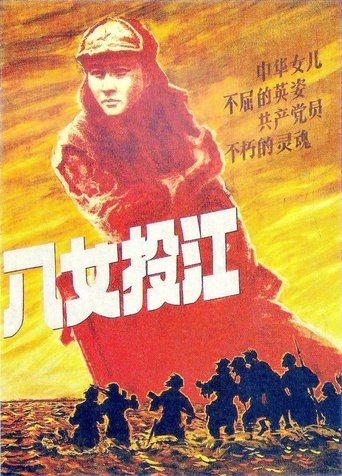
Women soldiers of the Volunteer Army battle the Japanese in Northeast China in 1936.
The story of the rise of Alexander Stravisky, a brilliant and seductive crook, in Paris of the roaring twenties. But unchecked greed and corruption does not go unpunished. The political decadence he feeds off will also cause his downfall.
This chilling, vitally important documentary was produced to mark the 40th anniversary of the liberation of Auschwitz Concentration Camp. The film contains unedited, previously unavailable film footage of Auschwitz shot by the Soviet military forces between January 27 and February 28, 1945 and includes an interview with Alexander Voronsov, the cameraman who shot the footage. The horrifying images include: survivors; camp visit by Soviet investigation commission; criminal experiments; forced laborers; evacuation of ill and weak prisoners with the aid of Russian and Polish volunteers; aerial photos of the IG Farben Works in Monowitz; and pictures of local people cleaning up the camp under Soviet supervision. - Written by National Center for Jewish Film
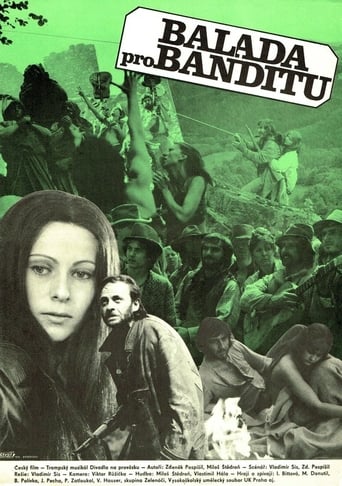
The film version of the theatre musical production by the "Divadlo na provazku" in Brno tells the tale of legendary bandit Nikola Šuhaj from Koločava.
The beginning of 1945, Poland. In a newly liberated country, the Communist Security Service is annihilating its enemies under the guise of punishing "national traitors." They organize a labor camp for Germans, Silesians and Poles, on the site of a former Nazi concentration camp called Zgoda / Reconciliation. Franek, who is in love with the Polish prisoner Anna, goes to work as a warder in the camp to save her. He does not know that one of the prisoners - Erwin, his German friend, also loved this girl for a long time. Franek joins the communists in the illusory hope of outsmarting the system.
Operetta concerning the love affair of Niccolò Paganini, the violinist, and Élisa Bonaparte, the younger sister of Napoleon.
On June 28, 1914 Archduke Franz Ferdinand of Austria was shot to death in Sarajewo. His assassination caused a chain of events that brought about World War I and the downfall of old Europe. Who is the assassin? Who is GAVRE PRINCIP, a man that fate brought into the center of world attention. The subject of the film is not the historical background but rather the psychological makeup of PRINCIP at the age of seventeen.
The truth is way stranger than fiction,” muses one interviewee in this unbelievable true account of an incredible war time saga. As the Second World War was coming to a close, the US Office of Strategic Services trained and parachuted two Jewish refugees and a German deserter deep into Nazi occupied Austria. Through vivid first-person accounts, re-enactments, archival footage and learned commentary, the film reveals how their efforts disrupted a vital supply route between Germany and the Italian front to bring about the surrender of Innsbruck to Allied Forces. Their unbelievable adventure has a finale that beats any Hollywood movie hands down — but a story so powerful that it became the basis for Quentin Tarantino’s mega hit.
In 1945, at the huts above Porzûs, a hundred partisans from the Garibaldi Brigade and the Gap massacred about twenty partisans from Osoppo. They were commanded by Geko, who later went around saying that the group was accused of treason and collusion with the fascists, all to avoid consequences. But at the end of the war, Storno, who had escaped the massacre, sentenced Geko and his men to life imprisonment in absentia.
Cecilia is a commoner who runs an inn, where the specialty is the "spaghetti alla carbonara". Moreover, the woman is tied to the movement of young patriots, named "Carbonari", who want a united Italy, and are struggling against the power of the pope. Cecilia believes she lost her husband in a fatal accident, and has made a new lover: Fabrizio, who is also a patriot. One day the guy's saved by a monk, when he is about to be imprisoned by the soldiers of Cardinal Rivarola. The monk is the husband of Cecilia, not dead in the accident, and now he helps her to fight against the power of Rome with the Carbonari.
The tangled affairs of George, Prince of Wales, leading to his illegal marriage to commoner Mrs. Fitzherbert. Also portrayed is the conflict between the future George IV and his father George III.
Tragedy befalls Hanka, as her husband and father die fighting Austrian forces invading the Duchy of Warsaw in 1809.
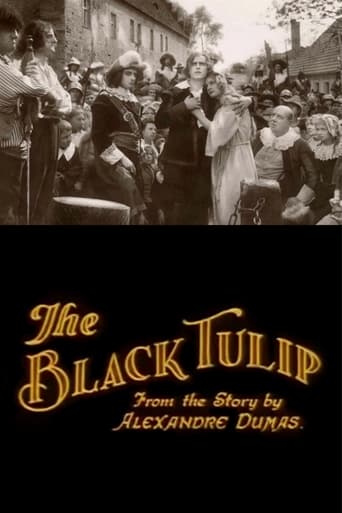
In 17th century Holland, a faction of royalists is scheming to restore the monarchy and jail the De Witt brothers, who control the Republic. At the same time Tulip Fever is raging, and bulb-grower Cornelis van Baerle tries to obtain the secret of black tulips. Van Baerle will soon find himself threatened by radical royalists and rival bulb-grower Isaac van Boxtel.
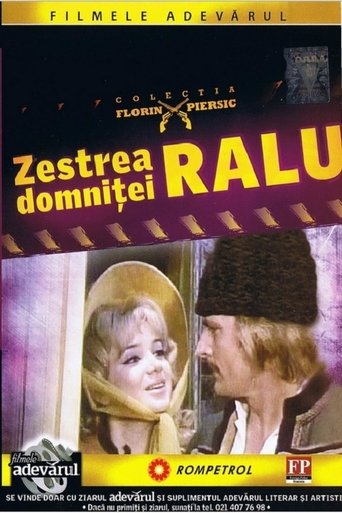
Part two of the triptych dedicated to the outlaw Șaptecai and episode 5 of the Outlaws series. After a spectacular escape plotted by Anița, Răspopitul and Parpanghel, Captain Anghel sets off once again on the money trail. Kidnapping Caliopi, Șaptecai demands the jewels her husband Ianis bought in Vienna in exchange for her release. After a series of spectacular events, Anghel succeeds in stealing Lady Ralu's precious dowry.
With unique and exclusive testimonies from doctors, nurses, loved ones, and patients we go behind closed doors to examine a high security psychiatric facility that takes care of some of the most dangerous patients.
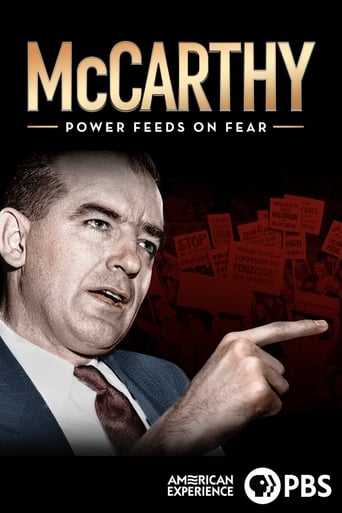
"McCarthy" chronicles the rise and fall of Joseph McCarthy, the Wisconsin senator who came to power after a stunning victory in an election no one thought he could win. Once in office, he declared that there was a vast conspiracy threatening America — emanating not from a rival superpower, but from within. Free of restraint or oversight, he conducted a crusade against those he accused of being enemies of the state, a chilling campaign marked by groundless accusations, bullying intimidation, grandiose showmanship and cruel victimization. With lawyer Roy Cohn at his side, he belittled critics, spinning a web of lies and distortions while spreading fear and confusion. After years in the headlines, he was brought down by his own excesses and overreach. But his name lives on linked to the modern-day witch hunt we call “McCarthyism.”
Twenty-five hundred years before the reign of Julius Caesar, the ancient Egyptians were deftly harnessing the power of engineering on an unprecedented scale. Egyptian temples, fortresses, pyramids and palaces forever redefined the limits of architectural possibility. They also served as a warning to all of Egypt's enemies-that the world's most advanced civilization could accomplish anything. This two-hour special uses cinematic recreations and cutting-edge CGI to profile the greatest engineering achievements of ancient Egypt, and the pharaohs and architects who were behind them. Includes Djoser's Step Pyramid at Saqqara, Senusret's Nubian Superfortresses, Hatshepsut's Mortuary Temple at Dier el-Bahari, Akhenaten's city at Amarna, and the temples of Ramesses the Great at Abu Simbel.
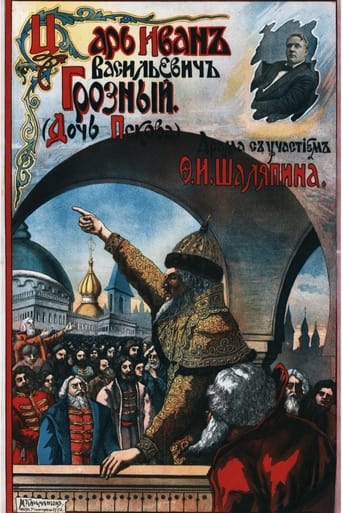
This film was a true peculiarity, a filmed version of the great Feodor Chaliapin in one of his most famous roles; the fact that it was a silent film, with title cards, meant that audiences could only appreciate his acting. Another curiosity is that the film also included a minor role enacted by Richard Boleslavsky, who in 1932 directed “Rasputin and the Empress.”(9)
Activate your FREE Account!
You must create an account to continue watching