A direct sequel to Methagu, which tells the biography of LTTE Leader Prabhagaran.
Hygienic habits are as old as the various human civilizations; but each era establishes its own customs: whether private or public, everywhere and at all times, methods of personal cleanliness have depended on cultural conventions, religious morals, political ideologies and economic interests; because the control of basic hygiene has also been and is one more tool in the infinite exercise of power over the masses.
The Basilica of Monreale, near Palermo in Sicily acts as subject and springboard of Carné's final film; Its hundreds of gorgeous and intricate tiled mosaics vividly depict scenes from the Bible. Kinetic camerawork and dramatic narration of each scene compliment these stunning pieces in order to retell the Holy Book's age-old Story.
Documentary takes a look at the ancient Egyptian Book of the Dead, a scroll created in 1880 BCE, and lost until 1887.
The actions of the Russian and British embassies and the security forces of the central forces have made the people miserable. Mahmoud Khan, who is the secretary of the British Embassy, resigns from his job in the British Embassy and joins the people and incites them against the British and the Central Powers ...
A courageous teacher leads a group against a real estate developer who is determined to evict hundreds to make way for a construction project.
An early film version of the Charles Dickens classic about the French Revolution and its subsequent Reign of Terror.
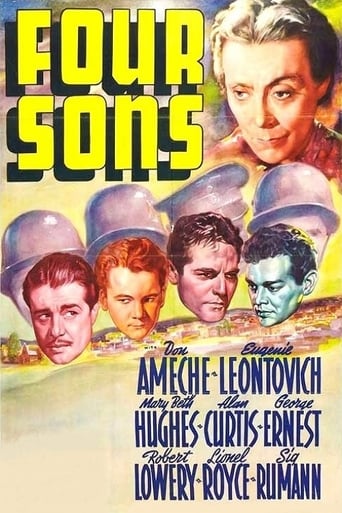
Four Sons is a 1940 film directed by Archie Mayo. It stars Don Ameche and Eugenie Leontovich. It is a remake of the 1928 film of the same name.
Drama-documentary about Winston Churchill's extraordinary experiences during the Great War, with intimate letters to his wife Clementine allowing the story to be told largely in his own words. Just 39 and at the peak of his powers running the Royal Navy, Churchill in 1914 dreamt of Napoleonic glory, but suffered a catastrophic fall into disgrace and humiliation over the Dardanelles disaster. The film follows his road to redemption, beginning in the trenches of Flanders in 1916, revealing how he became the 'godfather' of the tank and his forgotten contribution to final victory in 1918 as Minister of Munitions. Dark political intrigue, a passionate love story and remarkable military adventures on land, sea and air combine to show how the Churchill of 1940 was shaped and forged by his experience of the First World War.
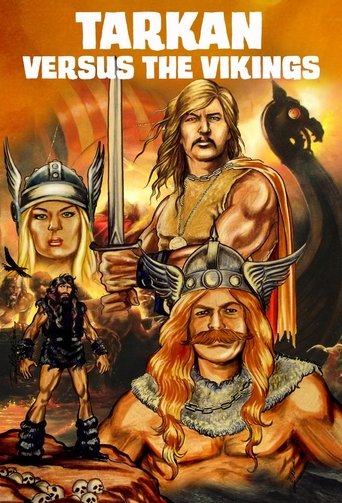
Features a mustached villain, who is the leader of a Viking clan that worships an octopus god-monster. The Vikings wish to kidnap a beautiful girl to sacrifice her to their demigod, but the heroic Tarkan, aided by his dog, Kurt, is there to save the day.
Best known as the inventor of the Moog synthesizer, Robert Moog was an American pioneer of electronic music, and shaped musical culture with some of the most inspiring electronic instruments ever created. This "compelling documentary portrait of a provocative, thoughtful and deeply sympathetic figure" (New York Times) peeks into the inventor's mind and the worldwide phenomenon he fomented.
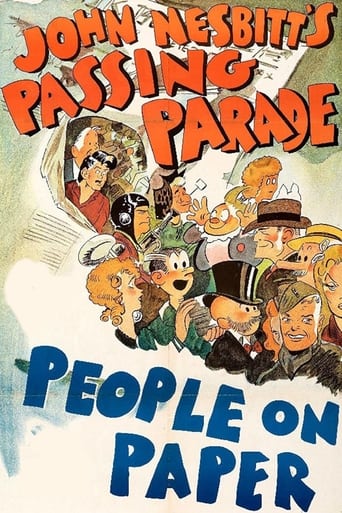
Americans are preoccupied with the news, but need an escape from many of the events reported in the news. These escapes in the past have included dime store novels. The most accessible of these escapes is what are known as the funny papers, the set of serialized comic strips that are included within many newspapers. They appeal to all socio-economic classes, and all ages. Some of the earliest known from the late 19th century include the Yellow Kid, Little Nemo, Happy Hooligan, the Katzenjammer Kids, Mutt & Jeff, and Bringing Up Father. Many cartoonists are seen in action. Some originated their characters, while others have taken over following the passing of the originator. The joy of many comic strips are the absurd and the fantastical, which are limited only by the imagination of the cartoonist. Others are grounded in reality, which add to their poignancy within the public mindset.
Part of the Daughters of the Country series, this film, set in the 1850s, unfolds against the backdrop of the Hudson's Bay Company's monopoly of the fur trade. In protest, some Métis engage in trade with the Americans. Madeleine, the Métis common-law wife of a Hudson's Bay Company clerk, is torn between loyalty to her husband and loyalty to her brother, a freetrader. Even more shattering, a change in company policy destroys Madeleine's happy and secure life, forcing her to re-evaluate her identity.
A family returns to America after spending seven years in a remote jungle of New Guinea doing public health work, only to find that the bill of rights has been suspended and that the country is now a fascist totalitarian state.
Based on the musical journey of Pandit Lakhmichand, a folk artist who hailed from Haryana, India
The bittersweet story of young lovers caught up in a political struggle waged by farmers against the grain trade, the banks, and the railroads. Set in 1915–16 North Dakota, a largely forgotten era of American history.
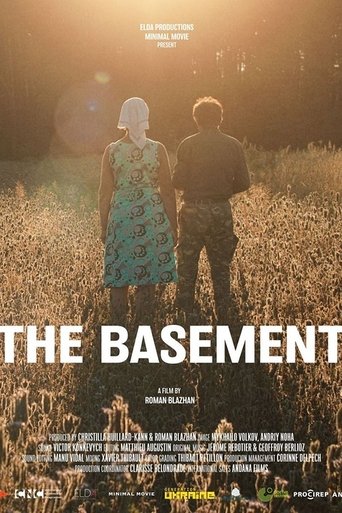
The village of Yahidne in northern Ukraine is coming back to life. Dogs are running around. Gardens and crops are green again. People support one another and families have reunited. In a movement of solidarity, local youth help rebuild what was devastated a year ago when Russian troops occupied the village imprisoning the villagers in the school's basement for a month. The villagers' attitudes alternate between their desire to move forward an remembering the horrors of the past. A heartwarming tribute to resilience and unity.
The film is dedicated to the philosopher, doctor, scientist of the East and poet Abu-Ali Ibn-Sin, who lived in Bukhara in the 10th century and was known in Europe under the name of Avicenna. Bukhara. Eighteen-year-old doctor Ibn Sina saves the emir from a fatal illness. Refusing gold and honors, the young man only asks for admission to the emir's book depository as a reward. The study of the works of ancient scientists, philosophers, doctors, observations of nature, numerous experiments increase the knowledge of Ibn Sipa. The treacherous attack on Bukhara by the troops of the ruler of Ghazna Mahmud, who devastated the city and set the world's greatest book depository on fire, forced Ibn-Sina to leave his homeland. After many years of wandering, he, together with his student and assistant Juzjani, comes to the capital of Khorezm, Gurganj, to declare war on the plague raging here...
The film focuses on the journey of General Juan Facundo Quiroga, with a very compromised health, to the north in order to resolve the conflict between the provinces of Salta and Tucuman.
Activate your FREE Account!
You must create an account to continue watching