The movie Okht al-Reza (Reza's sister) narrates the journey of the Lady of Dignity, Hazrat Masoumeh PBUH from Madinah to Qom. While portraying the events of the Prophet's path, her time, Ma'mun's conspiracies and efforts for her martyrdom, the work tries to express a mystical narrative of the character of Hazrat Masoumeh. It deals with the story of this journey, and includes passages about the political and social atmosphere of the time, where the general atmosphere of the storytelling is somewhat close to the documentary.
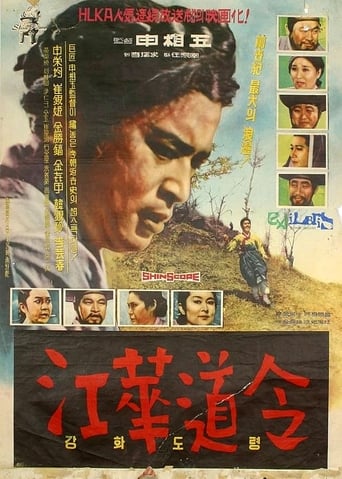
When King Heon-kong falls ill, a power struggle erupts over who will inherit the throne. Tired of all the infighting, the ministers arrange for a branch of the king's family, which had lost all its wealth and was living on remote Ganghwa Island, to inherit. But the heir to the throne is reluctant to leave his island home.
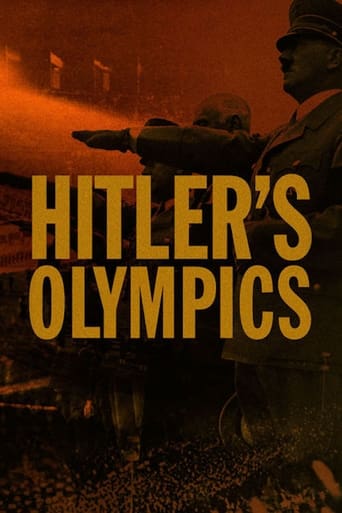
Hitler, Nazi propaganda and 1936 Berlin Olympics are put under the microscope to uncover hidden truths and the historical legacy of those games.
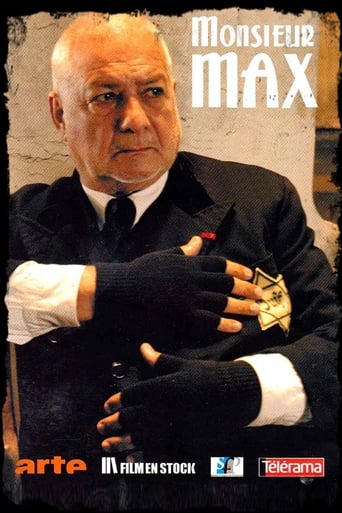
Portrait of a homosexual bohemian who converted from Judaism to Catholicism and was captured by the Gestapo in the 1940s.
Steve Shippy and Cindy Kaza uncover the truth about a 1972 plane crash.
The film tells about Davit Guramishvili's short period of activity during the rule of Vakhtang VI
The story of Sadık and Osman, who heroically resisted the Balkan gangs that carried out bloody raids on Turkish villages in the Rumeli Province of the Ottoman Empire in 1910.
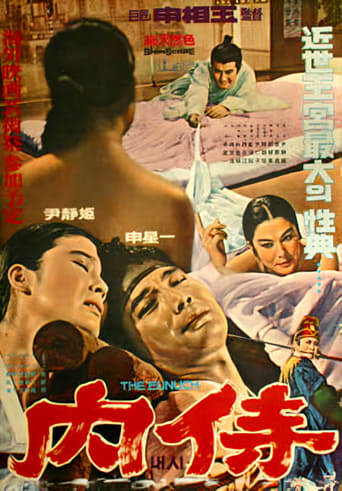
A nobleman sends his daughter to the king as a concubine in order to gain personal power and favors from the monarch. Her lover follows her into the palace disguised as a eunuch. They continue to meet in secret until discovered and sentenced to death.
A documentary that recounts the many ways in which American slavery persisted as a practice many decades after its supposed abolition.
It’s a revelation conjuring heated debate: According to a recently translated ancient text called the Gospel of Judas, the disciple infamous for betraying Jesus may well have been Christ’s most faithful servant and—because the Savior asked him to—accepted perpetual disgrace to bring about Jesus' death. Explore the mysticism of early Gnostic thought expressed in words written on a 1,700-year-old leather-bound papyrus. Hear the interpretations of four biblical scholars. Follow this fragile document from its discovery in Egypt to its translation and ultimate presentation to the world. And share your thoughts on the Gospel of Judas.
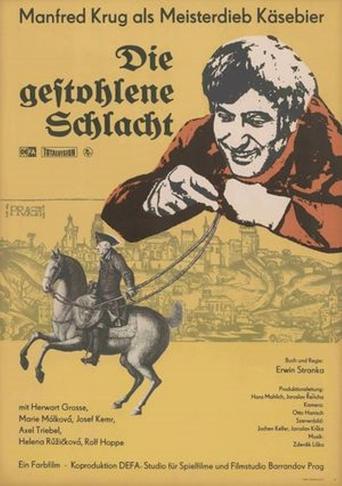
In 1757, the second year of the Seven Years' War, Frederick II the Great stands at the gates of Prague. He has been trying to take the city for weeks, as the enemy commander Duke Charles of Lorraine is inside. Frederick has just defeated him, but the tide could soon turn against the Prussians, as new Austrian troops are approaching. None other than the famous master thief Andreas Christian Käsebier is to sneak into Prague to open the gates from the inside. As a reward, the king promises him freedom. Käsebier accepts the offer because he is tempted to steal an entire city. But by chance, Käsebier learns that the king wants to betray him. After a successful battle, he is put back behind bars for life. This doesn't suit the master thief at all, especially as he has just fallen in love with Katka in Prague.
The narrative concerns the barbaric exploits of Attila The Hun and yet none of the characters ever leave the remote seaside stretch of land on which the film is set or do much of anything – with the ensuing moralizing interrupted only by the occasional (and equally obscure) music-infused rites.
George Washington struggles to hold his army together at a critical point during the Revolutionary War.
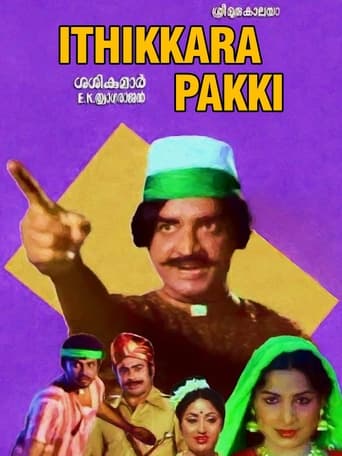
Ithikkara Pakki, a daily-wage labourer, fights against a wealthy landlord when he tries to trouble the villagers. Things get worse when he falls in love with the landlord's daughter.
Follows the deportation of Karachays, which took place at the end of World War II. The film's director, himself a Karachay, tried to convey the experiences of people, life and culture, considering it important to make people realize what that did to him and his people.
No dvd overview found.
This short film chronicles the importance of cotton to the economy and culture of America's Old South.
Italy, WWII. After his anti-fascist mother is arrested, Mario spends his childhood on the streets. In 1947 they are miraculously reunited and start a new life in America. Based on the life of Mario Capecchi, 2007 Nobel Prize in Medicine.
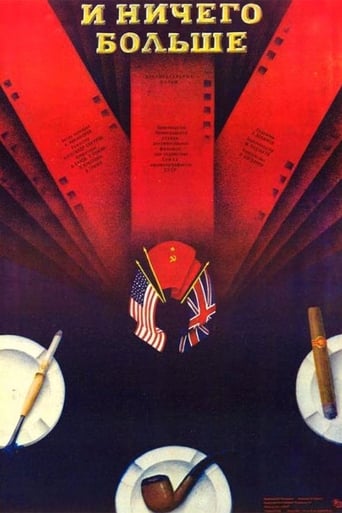
The picture is about the anti-Hitler coalition of the USSR, England and America, which developed as a counterweight to the aggressive policy of Nazi Germany during the Second World War. The unique newsreel footage of these years, shot by operators of different warring countries, is connected with today's thoughts of the author about the fate of the post-war world, about the humanitarian losses of both sides and about gaining unstable hopes for the unity of the world in countering evil.
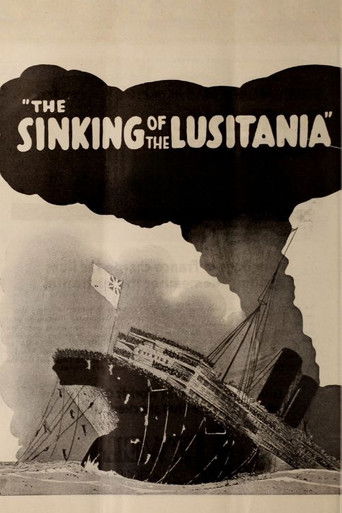
Winsor McCay recreates the sinking of the ocean liner Lusitania by a German U-boat in this propaganda piece designed to stir up anti-German sentiment during World War I.
Activate your FREE Account!
You must create an account to continue watching