In an alternation of stories from the past and present of Marco Mazzoli, radio DJ and creator of Lo Zoo di 105 (one of the most followed radio programs in Italy), we relive what symbolizes the great adventure of life: an adventure made of victories but also of many bitternesses and defeats. Episodes of lost and then found loves, friendships that began and then ended, betrayals, thefts, dismissals, complaints and many humiliations follow one another, but in the end, they lead to the fulfillment of a dream, what everyone seeks: their own personal fulfillment.
A group of high school teens steal a van full of music equipment and pretend to be a band called "Truckstop" in order to stay on the road. When the band starts playing gigs, their sound is largely inconsistent and incoherent, however, over time the band becomes increasingly competent in their musicianship.
A young musician visits a holiday resort to compose music for a client and ends up befriending a married woman. His life turns upside down when he falls in love with her.
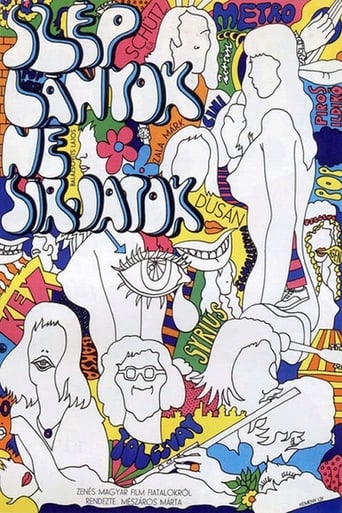
Savanyú and his friend work at a plant. After the monotonous shifts they engage in the pleasures of the afternoon and the night, i.e. parties and concerts. Savanyú dates Juli, they are already engaged. The young men live as sub-tenants, the young women in workers' hostels. None of these places are suited for spending time together. They are in need of an apartment. Out of the ruinous apartment which they lay siege on, however, they are sent away by the otherwise friendly policeman. At a concert held in the Park of Youth, Juli gets to know Géza. They flirt, then go to the country with a pop-group. Savanyú and his friends follow them. A minor fight cools the atmosphere.
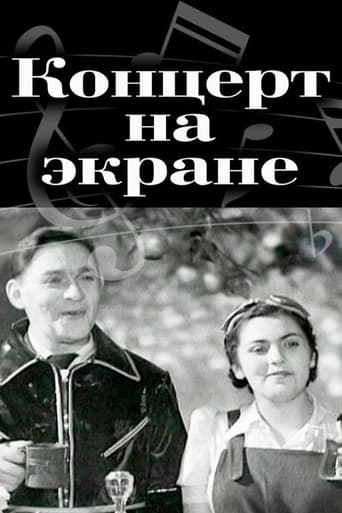
Film-Concert. The program includes scenes from plays, ballets, and operas; folk songs and romances; B. Eder with a group of trained lions; S. Obraztsov's puppet theater; and dances by soloists of the I. Moiseyev Ensemble. The host is Nikolai Cherkasov.
The second TV series by Kiyoshi Kurosawa made just after the pop of the economic bubble in Japan. His comical (and melodic...) analysis of Japanese society corresponds to Godard's films about French society in the 60s.
When one of the girls takes a taxi, a love story develops between her and the taxi driver. Their meetings occur many times and she asks him to propose marriage to her, but he refuses due to the difference in social level. So she resorts to the trick of disguising herself as another person and working as a singer and claiming to be her sister. They participate in singing shows and achieve success. He is in love with the singer and does not know that she is the same rich girl, but some bad guys are trying to set them up.
A singing entomologist (Roy Rogers) acts meek to help a juggling sheriff (George "Gabby" Hayes) solve ranch raids.
Director Claude André Lalande illustrates the theme of three songs in images. We see and hear in turn Roland Gerbeau "Himalaya", Jacqueline François "From Montmartre to the Latin Quarter" and Jean Marco "The Ghost of Aunt Anna". This mini musical is one of the ancestors of music videos.
A musical-plastic film based on the jazz opera "Porgy and Bess" by George Gershwin is a dramatic story of the unhappy love of the legless Porgy and the young beauty Bess.
Love blossoms between Maroc, a singing boat refugee, and Lisa, a collector of singing seashells who dreams about love.
A collage of Derek Jarman's super 8 footage spanning over 20 years.
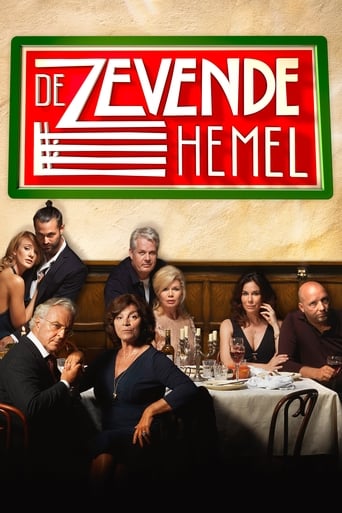
Dutch musical centered around a family restaurant. There's a reunion coming up for which the family is planning a big event. After the reunion celebration, the parents will hand over the restaurant to their children. Unfortunately, the relationship with one of their sons is very tense. The mother is trying to repair that relationship in time for the reunion.
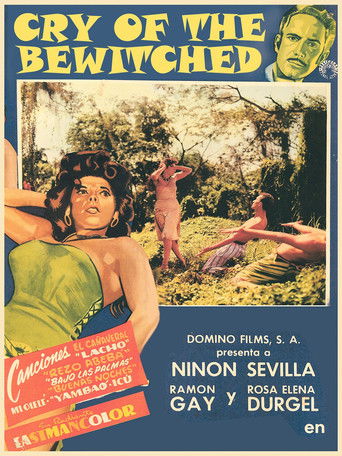
A freed slave, who is descended from a murdered witch, plots revenge with her grandmother on a sugar plantation's inhabitants. Complications ensue due to her love for the master of the estate.
Johannesburg, 1968. Khuthala hates his father's laundry and doesn't want to take over the family business. But the apartheid government is cracking down on black business ownership. Khuthala is torn between pursuing his own dreams of becoming a musician and fighting against the injustice that threatens the business.
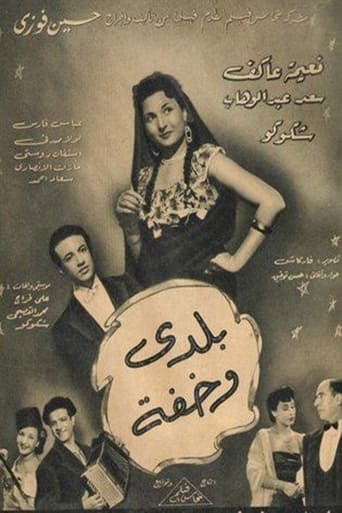
Hanuma is engaged to struggling musician Mahrous. She meets film producer Khaled, who decides to take her to fame. She forgets her people and she's torn between following her desires or returning to the right path.
The Icarus Line Must Die is a dramatic narrative feature set against the backdrop of the current LA music scene. The film tracks Joe Cardamone, front man of The Icarus Line, as he navigates his way through the ups and downs of the modern music landscape.
An ex-French Foreign Legion soldier comes to Soho and ends up as a singer in a cafe.
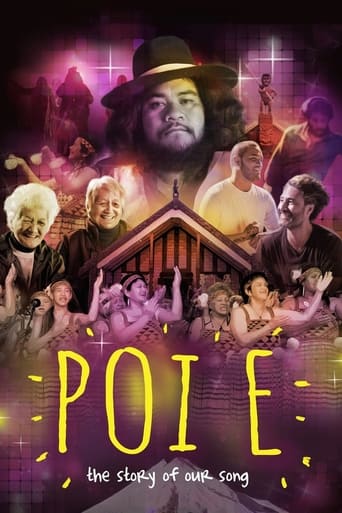
Written and directed by Tearepa Kahi (Mt Zion) and starring Maaka Pohatu (The Modern Maori Quartet, Two Little Boys) the film tells the story of musician Dalvanius Prime and the origin of the song “Poi E”, a ground-breaking fusion of 1980s pop and traditional Māori music. “Poi E”, composed by Dalvanius and Ngoingoi Pēwhairangi and performed by the Patea Māori Club, remains the only song in Te Reo Māori to reach No 1 in the charts, over 30 years since its 1984 release.
Activate your FREE Account!
You must create an account to continue watching